

US Fed interest rates rise: The Right Move for Growth

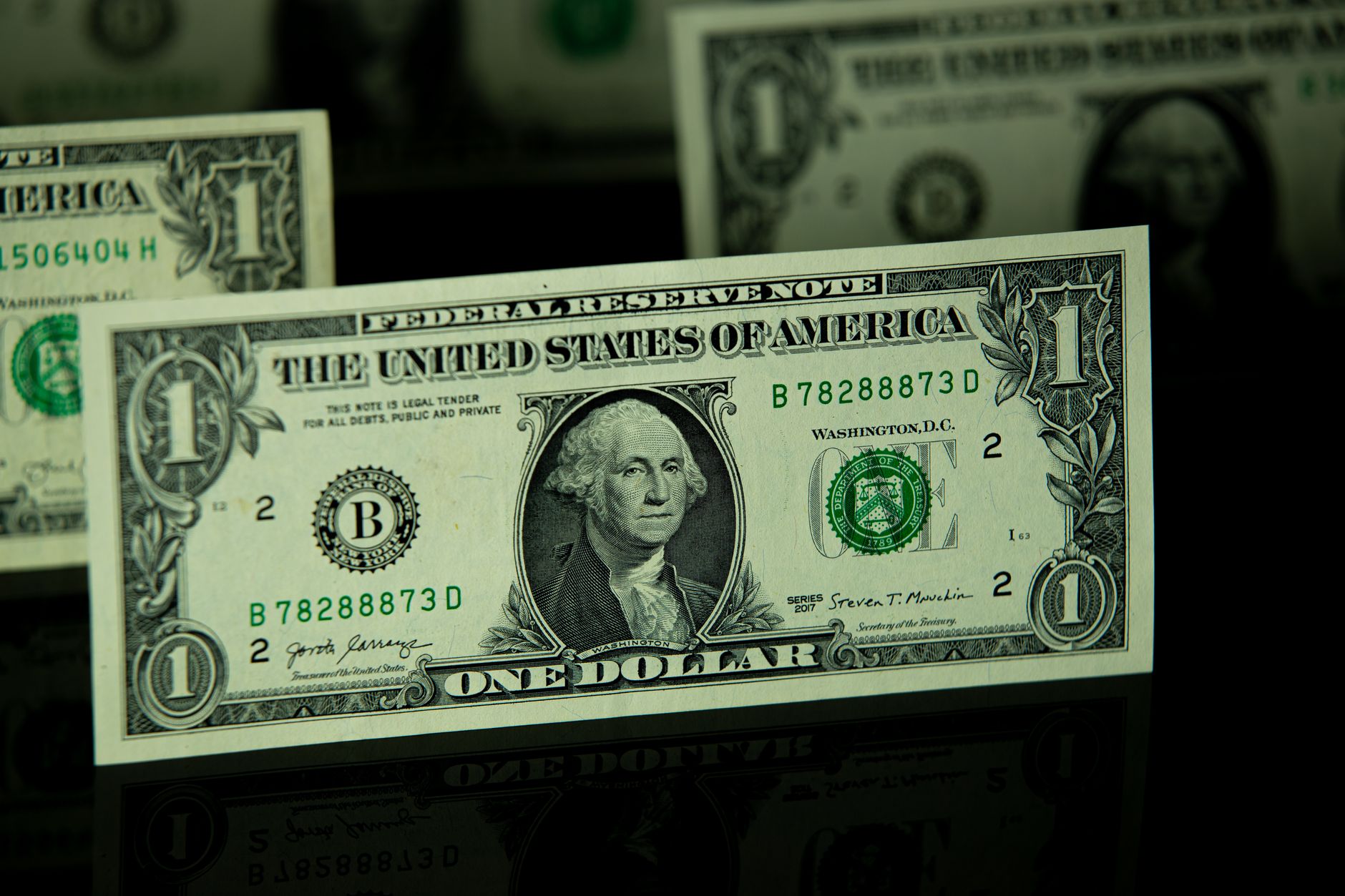
US Fed interest rates have risen for the first time in three years, marking a significant shift in monetary policy. This decision is expected to influence various sectors of the economy.
Impact of US Fed interest rates on the economy
The recent decision by the US Fed to raise interest rates marks a significant shift in monetary policy, impacting various sectors of the economy. As the Fed adjusts its rates, businesses and consumers alike will feel the effects.
Higher interest rates generally lead to increased borrowing costs. This can have a ripple effect on:
- Consumer Spending: With loans becoming more expensive, consumers may delay major purchases, such as homes and cars.
- Business Investments: Companies might reduce their capital expenditures due to elevated financing costs, potentially slowing growth.
- Housing Market: Higher mortgage rates could cool down the housing market, affecting both buyers and sellers.
However, the rise in US Fed interest rates could also signal a strengthening economy. A gradual increase might encourage savings and stabilize inflation, creating a more sustainable economic environment in the long run. The Fed aims to strike a balance between fostering growth and controlling inflation, making this a crucial period for economic policy.
Ultimately, the impact of these interest rate changes will unfold over time, influencing various economic indicators and consumer behavior.
Reactions from financial markets
The recent decision by the US Fed to raise interest rates has sparked varied reactions from financial markets. Investors are closely analyzing the implications of the US Fed interest rates increase, which marks the first such adjustment in three years.
Many market analysts believe that this move signals a commitment to curbing inflation, which has been a growing concern. The following points highlight key reactions:
- Stock Market Volatility: Following the announcement, many stocks experienced immediate fluctuations as traders adjusted their positions.
- Bond Yields: There was a notable increase in bond yields, reflecting a shift in investor expectations regarding future interest rates.
- Sector Performance: Financial and energy stocks surged, while technology shares faced downward pressure, highlighting sector-specific responses to the rate hike.
- Currency Strength: The US dollar gained strength against major currencies, indicating confidence in the Fed’s actions.
Overall, the rise in US Fed interest rates is expected to reshape the financial landscape, prompting investors to recalibrate their strategies moving forward.
US Fed interest rates: What it means for consumers
The recent decision by the US Fed to raise interest rates marks a significant shift in monetary policy that will have direct implications for consumers across the nation. As the US Fed interest rates rise, borrowers should anticipate changes in their financial obligations.
For many consumers, this increase means higher costs for loans, including:
- Mortgages: Homebuyers may face elevated interest rates, which could lead to increased monthly payments.
- Credit Cards: Interest rates on outstanding balances may also climb, impacting those with variable-rate credit cards.
- Auto Loans: Financing a new vehicle may become more expensive, affecting consumers’ purchasing decisions.
On the flip side, savers might see more favorable returns on their deposits as banks adjust their rates in response to the US Fed interest rates. This could encourage more consumers to save, contributing to financial stability in the long run.
Overall, while the increase poses challenges for borrowers, it also presents opportunities for savers. Consumers will need to navigate these changes carefully to manage their financial health effectively.
Historical context of interest rate changes
The history of interest rate changes by the US Federal Reserve provides valuable insights into its current decisions. Over the past few decades, the Fed has adjusted interest rates in response to economic conditions, aiming to foster growth while controlling inflation.
During periods of economic expansion, the Fed has often raised interest rates to prevent the economy from overheating. Conversely, in times of recession, it has lowered rates to stimulate borrowing and spending. Some key historical moments include:
- The late 1970s and early 1980s: High inflation prompted aggressive rate hikes, with the federal funds rate peaking at over 20%.
- The financial crisis of 2008: The Fed slashed rates to near zero to revive the economy, a policy that persisted for years.
- The gradual normalization: Starting in 2015, the Fed began to increase rates slowly as the economy showed signs of recovery.
In light of recent economic indicators, the latest rise in US Fed interest rates is seen as a proactive measure to sustain growth and maintain stability in financial markets.
Future outlook for US monetary policy
The future outlook for US monetary policy appears to be shaped by ongoing economic conditions and inflationary pressures. As the US Fed interest rates rise, analysts predict a cautious approach to further adjustments, balancing the need for growth against the risk of stifling recovery.
Several key factors are expected to influence the Federal Reserve’s decisions moving forward:
- Inflation Trends: Sustained inflation may prompt more aggressive rate hikes, while cooling prices could lead to a more measured approach.
- Labor Market Conditions: A strong job market may support higher rates, but any signs of weakness could lead to a reevaluation of current strategies.
- Global Economic Factors: International developments, including geopolitical tensions and economic slowdowns in major economies, will likely impact the US Fed’s actions.
- Consumer Spending: Trends in consumer behavior will play a critical role in determining how the Fed navigates future interest rate changes.
As the landscape evolves, stakeholders will be closely monitoring the US Fed interest rates and their implications for economic stability and growth.
Photo by Sergei Starostin on Pexels
Sources
- Non-Resident Income Taxation: Is It the Best Approach?
- EPFO wage ceiling: Will your pay change with the new limit?
- VerifAIX Seed Funding: Proven Path to Startup Success
US Fed interest rates have increased for the first time in three years, impacting the economy and markets.