

Outsourcing Desk Research: Cost, Quality, and Risk Trade-Offs

At first sight, desk research is something really simple. Cull through Google, eyeball sources, sort findings, and write up a report. However, for finance and operations teams with greater workloads, this can eat up time.
The question is not if desktop research can be done internally. It’s whether the time, skills, and risks involved will suit outsourcing to a project.
Start with the True Cost
That means research is not free if you keep it in-house. Staff are still spending working hours searching for reports, verifying sources, cleaning data, and creating findings.
But there are also costs to bear. Combining training, specialist databases, or research tools as needed by employees. Senior staff might spend time reviewing work, rather than doing the actual business itself.
Outsourcing makes some of these internal costs part of a more transparent project expense. That can help with budgeting because it reduces the amount of research needed for short-term projects.
The Quality of Research Material Relates to the Process
Not just cost, incorrect research means incorrect business decisions.
Quality is dependent on:
- Source selection
- Data accuracy
- Research scope
- Fact-checking
- Industry knowledge
- Clear documentation
Research techniques, seasoned analysts, and connections to industry sources may already exist in specialist business intelligence consulting companies. This can be helpful when more is needed than just basic searches on the web.
But outsourcing does not itself ensure quality. It is a stage where the client still needs to determine the research question, expected sources of information, deliverables, and review process.
What About Internal Knowledge?
The major benefit of an in-house team, honestly, is the knowledge of the business.
Your employees may have an understanding of customers, competitors, systems, and strategic priorities your company will be pursuing. This context can guide them to data that an outside researcher may miss.
It may then make practical sense to keep desktop research in-house for day-to-day or highly sensitive projects.
The decision is often contingent on how specialised the research is, and what internal capacity exists.
Consider the Danger of Misinformation
Misinformation can have devastating real-world impact. An old report, unreliable source, or erroneous number can skew a forecast, an investment decision, an operational plan.
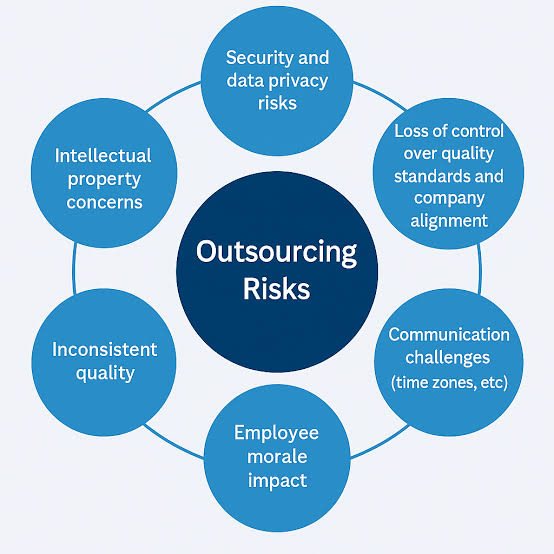
While outsourcing minimises your workload, it comes with a new form of risk. External researchers require access to the correct information, coupled with an understanding of confidentiality requirements.
Businesses should clarify matters. Clarify these things before engaging a provider:
- What information can be shared
- How sensitive data will be managed
- Which sources will be used
- How findings will be checked
- Who owns the final research
Reducing misunderstandings later starts with a clear agreement now.
When Outsourcing Makes More Sense
You can call on external research when the project is extensive, urgent, and/or calls for specialist skills.
It might also make sense if internal staff are already stretched to capacity. The research burden can then be absorbed by a third party, whilst employees take the reins in analysing and acting on this data.
Business intelligence consulting companies may also offer analytical skills for other intermediate market or competitor studies that extend past basic data gathering.
Making the Right Trade-Off
There is no good answer for all businesses. There are supplier costs and information-sharing risks with outsourcing, but it can help speed things up and fill skill gaps.
While there is more freedom to make the research fit your needs in-house, it does take staff time and may use additional resources to validate the findings.
Network deployment on the income-expense-production flow that you call knowledge is inherently inefficient in many cases. The only way to do it correctly is to compare this workload with internal time cost-factor feasibility, topic sensitivity, and the impact of potential mistakes.
The choice for many CFOs and operations leaders is not permanent outsourcing or internal work. It is about deploying each approach wherever it achieves the best trade-off between cost, quality, and risk.
At first sight, desk research is something really simple. Cull through Google, eyeball sources, sort findings, and write up a report. However, for finance and operations teams with greater workloads, this can eat up time. The question is not if desktop research can be done internally. It’s whether the time, skills, and risks involved will…