

Income Tax Refund Plea: Worst Decision by Delhi HC

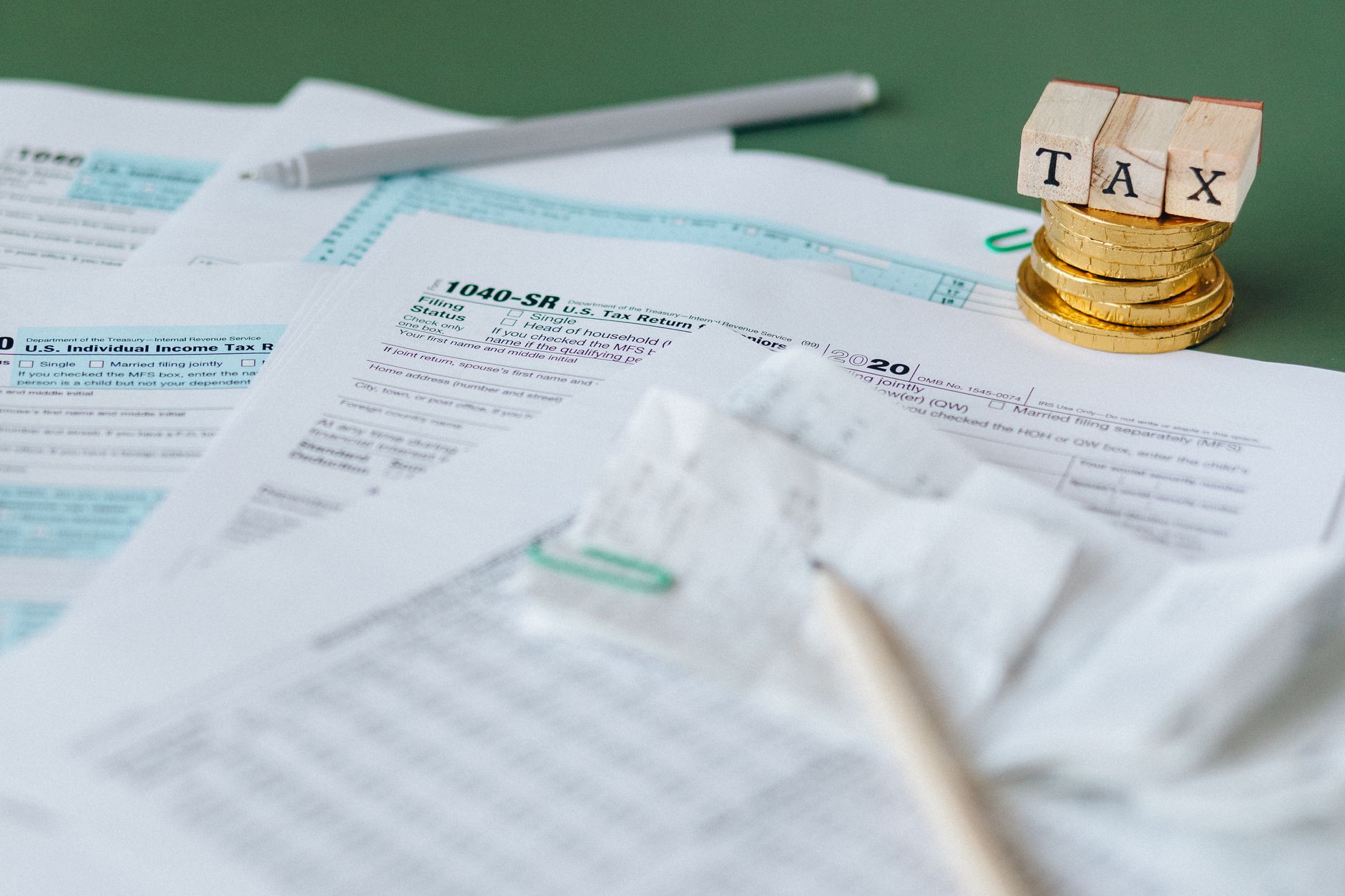
Income Tax Refund Plea was recently rejected by the Delhi HC, leaving many taxpayers disappointed. This decision has sparked discussions about the tax refund process.
Understanding the Delhi HC’s Ruling
The recent ruling by the Delhi High Court has sparked significant debate regarding the handling of income tax refund pleas. The court rejected a plea seeking a refund of ₹1 crore, which has raised concerns among taxpayers about the implications of such decisions.
The bench emphasized the importance of adhering to the legal framework governing income tax refunds. According to the court, the taxpayer did not provide sufficient evidence to support their claim, leading to the dismissal of the plea. This ruling is seen by many as a harsh stance on genuine refund requests, particularly in cases where taxpayers have complied with all necessary regulations.
Legal experts have expressed mixed reactions to the verdict. Some argue that the court’s decision reflects a stringent interpretation of tax laws, while others believe it underscores the necessity of thorough documentation in income tax matters. The implications of this ruling may impact numerous taxpayers who find themselves in similar situations, potentially deterring them from pursuing legitimate refund claims.
As the discussion continues, it is crucial for taxpayers to be aware of the requirements and processes involved in filing an income tax refund plea. Failure to meet these requirements could result in the rejection of valid claims, highlighting the need for careful attention to detail in such financial matters.
Implications for Taxpayers
The recent ruling by the Delhi High Court regarding the income tax refund plea has raised significant concerns for taxpayers across the nation. The decision, which rejected a ₹1 crore refund request, may set a troubling precedent for future cases. Taxpayers relying on timely refunds could face prolonged delays and uncertainty regarding their financial planning.
Several implications arise from this ruling:
- Increased Burden: Taxpayers may experience a heightened financial burden as refunds become harder to obtain. This could lead to cash flow issues, especially for individuals and small businesses that depend on timely refunds for operational expenses.
- Legal Precedent: The ruling may encourage the tax authorities to adopt a more stringent approach towards refund claims, making it essential for taxpayers to be vigilant and well-prepared when filing such requests.
- Emotional Stress: The rejection of income tax refund pleas can cause emotional distress for taxpayers who face the anxiety of unresolved financial matters.
- Impact on Compliance: A discouraging environment may lead to reduced compliance with tax regulations, as taxpayers may feel disillusioned by a system that doesn’t support their rightful claims.
As the implications unfold, taxpayers must remain informed and proactive in navigating the complexities of the tax system.
What to Do After a Refund Rejection
In light of the recent ruling by the Delhi High Court regarding the Income Tax Refund Plea, taxpayers who face a refund rejection must be aware of their options moving forward. Here are some steps to consider:
- Review the Rejection Notice: Carefully examine the details provided in the notice to understand the reasons for the rejection. This will help in formulating a response or appeal.
- Consult a Tax Professional: Seeking advice from a qualified tax consultant or lawyer can provide clarity on the legal options available and assist in navigating complex tax laws.
- Gather Documentation: Compile all relevant documents, including tax returns, payment receipts, and correspondence with the tax authorities, to support your case in any further proceedings.
- Consider Filing an Appeal: If valid grounds exist, you may file an appeal against the rejection. This process typically involves submitting a formal application to the appropriate authority within a specified timeframe.
- Stay Informed: Keep abreast of updates regarding tax policies and the implications of the Delhi HC’s decision, as it may affect future claims for income tax refunds.
Being proactive and informed can significantly enhance the chances of a successful resolution following an Income Tax Refund Plea rejection.
Income Tax Refund Plea: Key Takeaways
The recent ruling by the Delhi High Court regarding the income tax refund plea has raised significant concerns among taxpayers and legal experts alike. Here are some key takeaways from the decision:
- Legal Precedent: The court’s rejection sets a concerning precedent for future cases involving income tax refunds, indicating a stricter interpretation of tax regulations.
- Impact on Taxpayers: Many taxpayers may find themselves in a vulnerable position, unable to reclaim funds they believed were rightfully theirs, leading to financial stress.
- Need for Clarity: The ruling highlights the necessity for clearer guidelines on income tax refund processes to avoid confusion and ensure fair treatment of taxpayers.
- Potential Appeals: Experts suggest that there may be grounds for appeal, sparking discussions about how higher courts might view similar cases in the future.
- Taxpayer Vigilance: Taxpayers are advised to remain vigilant and informed about their rights regarding income tax refunds, especially in light of this ruling.
Overall, the Delhi High Court’s decision on the income tax refund plea has left many questioning the future of tax compliance and the protections afforded to taxpayers. It remains essential for individuals to stay updated on any developments in this area.
The recent ruling on the Income Tax Refund Plea has sparked widespread debate among taxpayers and legal experts alike. Many believe that the Income Tax Refund Plea represents a significant setback for the rights of individuals seeking timely refunds.
Photo by Nataliya Vaitkevich on Pexels
Sources
Related reading
- Zcash price prediction: Proven insights ahead of NU7 decision
- Is the SIP stoppage ratio the worst it’s ever been?
- Jio IPO: Proven Path to Reliance’s Next Big Re-Rating
Income Tax Refund Plea faces rejection by Delhi HC, raising concerns for taxpayers seeking refunds.