

GMR Airports traffic growth: Record 58.2 million in H1FY27

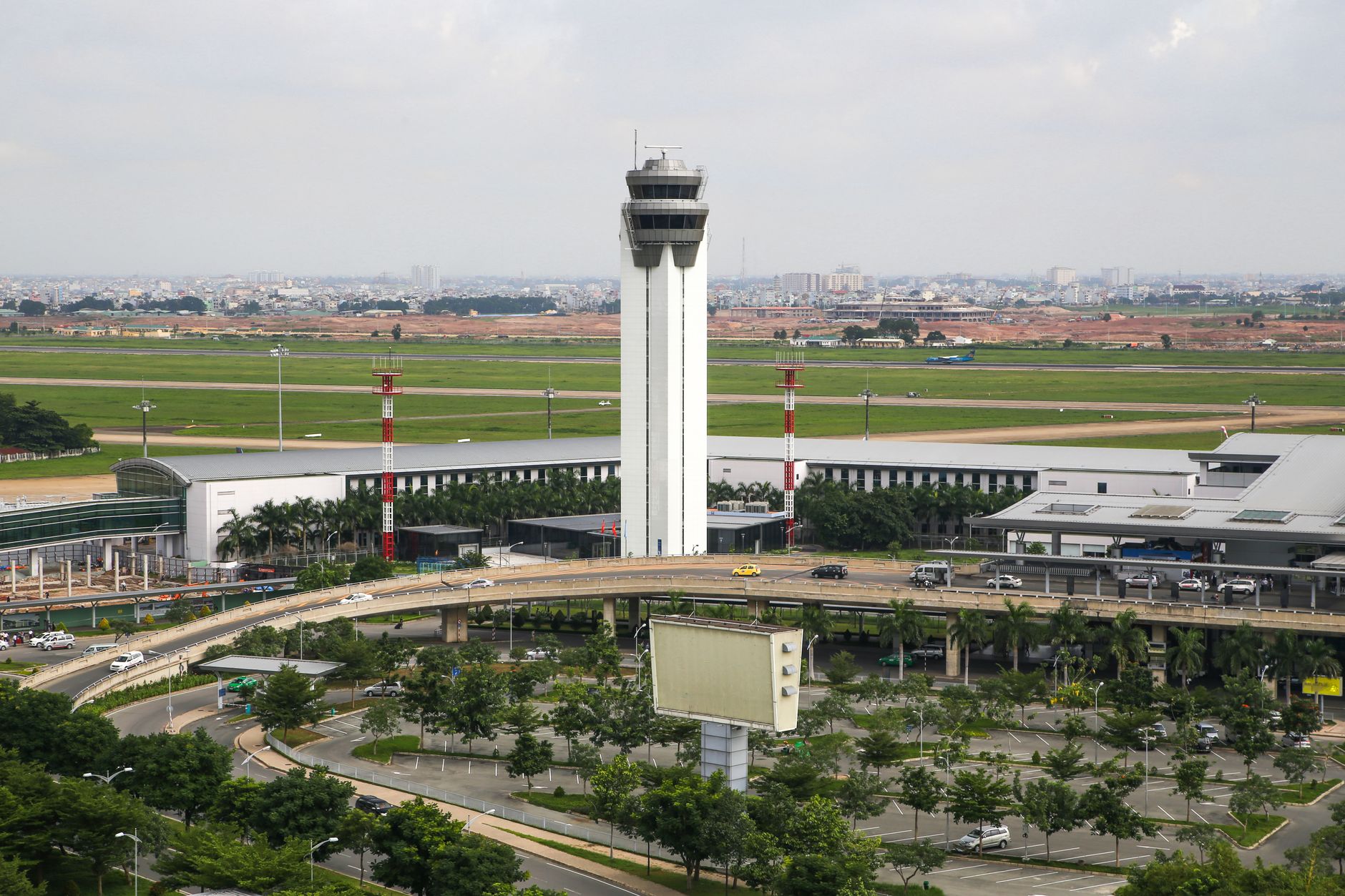
GMR Airports traffic growth has surged, hitting a record 58.2 million passengers in H1FY27. This remarkable increase is primarily attributed to the expansion in Delhi.
Overview of GMR Airports’ Performance
GMR Airports has reported impressive traffic growth, achieving a record 58.2 million passengers in the first half of FY27. This remarkable performance underscores the robust recovery of air travel, particularly driven by the increasing demand from Delhi. The surge in passenger numbers reflects not only the resilience of the aviation sector but also the effectiveness of GMR Airports’ strategies in enhancing customer experience.
The key factors contributing to this growth include:
- Expansion of Routes: GMR Airports has continuously expanded its network, adding new domestic and international routes, which has attracted a larger passenger base.
- Improved Facilities: Upgrades to airport facilities and services have made travel more convenient and enjoyable for passengers.
- Strategic Partnerships: Collaborations with airlines have facilitated better connectivity and increased frequency of flights.
- Marketing Initiatives: Targeted marketing campaigns have successfully promoted travel to and from Delhi, boosting traffic numbers.
As GMR Airports continues to focus on enhancing operational efficiency and customer service, the outlook for sustained traffic growth remains positive. This trend not only benefits the airports but also supports economic development in the region.
Impact of Delhi’s Expansion on Traffic
The recent expansion of Delhi’s Indira Gandhi International Airport has significantly contributed to the robust traffic growth experienced by GMR Airports. With an impressive record of 58.2 million passengers in the first half of FY27, the impact of this expansion is evident.
As the airport enhances its capacity and modernizes its facilities, it is attracting a larger volume of domestic and international travelers. The expansion project, which includes new terminals and upgraded runways, allows GMR Airports to accommodate more flights and reduce congestion.
Key factors influencing this traffic surge include:
- Increased flight frequency: More airlines are launching routes to and from Delhi, providing travelers with greater options.
- Improved connectivity: Enhanced transportation links to the airport, such as metro services and expressways, make it easier for passengers to reach their destinations.
- Boost in tourism: Initiatives to promote tourism in India have led to a rise in foreign travelers, further driving traffic growth.
The positive trajectory of GMR Airports’ traffic growth is a testament to the strategic initiatives implemented following Delhi’s expansion, setting a promising outlook for the future.
Comparative Analysis of Passenger Growth
The recent performance of GMR Airports indicates a remarkable trend in passenger growth, particularly in the context of their expanding operations. With a record 58.2 million passengers in the first half of FY27, the traffic growth at GMR Airports has surpassed expectations, largely driven by the ongoing expansion of the Delhi airport.
When comparing passenger numbers from previous years, the surge in H1FY27 highlights a significant upward trajectory. The growth can be attributed to several factors:
- Increased Connectivity: New routes and partnerships have enhanced accessibility for travelers.
- Airport Improvements: Upgraded facilities have improved the overall passenger experience, attracting more visitors.
- Post-Pandemic Recovery: A rebound in travel demand as restrictions eased has contributed to the surge in numbers.
Moreover, GMR Airports’ strategic initiatives aimed at enhancing operational efficiency have further propelled this growth. As airlines continue to ramp up their services, the prospects for continued traffic growth appear promising. The success of GMR Airports in achieving record numbers not only reflects their operational capabilities but also positions them as a key player in the aviation sector.
Future Projections for GMR Airports
As GMR Airports continues to expand its operations and enhance passenger services, future projections indicate a promising trajectory for traffic growth. Industry analysts anticipate that the upward trend experienced in the first half of FY27 will not only sustain but also accelerate in the coming years. Factors contributing to this optimism include:
- Infrastructure Development: Ongoing upgrades and expansions at major hubs, particularly in Delhi, are expected to bolster capacity and improve passenger experience.
- Increased Connectivity: New flight routes and partnerships with airlines are likely to attract more travelers, enhancing GMR Airports’ position as a key player in the aviation sector.
- Government Initiatives: Supportive policies and investments from the government aimed at boosting tourism and business travel are anticipated to further drive traffic growth.
- Technological Advancements: Implementation of innovative technologies for smoother check-ins and boarding processes will likely draw more passengers seeking convenience.
With these factors in play, GMR Airports traffic growth is projected to reach new heights, potentially surpassing previous records. Stakeholders remain optimistic that the remarkable performance in H1FY27 will lay the foundation for sustained growth in the aviation landscape.
Factors Driving Increased Airport Traffic
Several factors are contributing to the remarkable traffic growth at GMR Airports, culminating in a record 58.2 million passengers during the first half of FY27. One of the primary drivers is the expansion of facilities and services at major hubs, particularly in Delhi, which has enhanced connectivity and improved passenger experience.
Additionally, the resurgence of travel demand post-pandemic has played a crucial role in boosting airport traffic. As confidence in air travel returns, more travelers are opting for flights, leading to increased passenger volumes.
Another significant factor is the introduction of new flight routes and partnerships with international airlines. These developments have made air travel more accessible to a broader audience, thereby fueling traffic growth.
Moreover, the strategic marketing initiatives by GMR Airports have successfully attracted more customers. By offering competitive pricing and innovative services, GMR has effectively responded to evolving passenger needs.
Lastly, the overall economic recovery and increased disposable income among the population have encouraged more individuals to travel for leisure and business purposes. Collectively, these elements are pivotal in propelling GMR Airports’ traffic growth and solidifying its position as a leader in the aviation sector.
Challenges Facing GMR Airports
Despite the impressive traffic growth recorded by GMR Airports, several challenges remain that could impact future performance. The rapid increase in passenger numbers, reaching a record 58.2 million in H1FY27, brings with it a series of operational hurdles that need to be addressed.
- Infrastructure Strain: The surge in traffic has led to congestion at airports, necessitating urgent upgrades and expansions to accommodate the growing number of passengers.
- Regulatory Compliance: As GMR Airports continue to expand, adhering to evolving safety and environmental regulations presents a significant challenge, requiring substantial investment and planning.
- Competitive Landscape: With other airports also ramping up their services, GMR Airports must innovate and enhance customer experience to maintain their competitive edge in the industry.
- Economic Factors: Fluctuating fuel prices and economic instability can affect travel demand and operational costs, which may hinder further growth if not managed effectively.
- Technological Advancements: Keeping pace with rapid technological changes in airport operations and passenger processing is essential to ensure efficiency and security.
Addressing these challenges will be crucial for GMR Airports to sustain its traffic growth trajectory and continue to thrive in the evolving aviation landscape.
Conclusion on GMR Airports’ Growth
In conclusion, the impressive traffic growth at GMR Airports, which reached a record 58.2 million passengers in H1FY27, underscores the robust recovery and expansion of air travel. This remarkable achievement can largely be attributed to the significant developments in Delhi’s airport infrastructure, which have enhanced capacity and improved passenger experience.
The continued increase in passenger numbers reflects not only the strategic vision of GMR Airports but also the resilience of the aviation sector amid ongoing global challenges. As GMR Airports navigates the complexities of this growth, it is essential to remain attentive to the factors that have contributed to this surge, such as effective marketing strategies, enhanced connectivity, and partnerships with airlines.
However, challenges remain on the horizon. Addressing issues related to infrastructure strain and sustainability will be crucial as traffic continues to rise. The management’s proactive approach in tackling these challenges will determine the long-term success of GMR Airports.
Overall, the future looks promising for GMR Airports, with traffic growth expected to continue as the aviation market rebounds. With strategic planning and investment in facilities, GMR Airports is poised to maintain its trajectory of success in the coming years.
The impressive GMR Airports traffic growth reflects a strong recovery in air travel demand, driven by increased domestic and international flights. Analysts expect that GMR Airports traffic growth will continue as more travelers return to the skies in the coming months.
Photo by Quang Nguyen Vinh on Pexels
Where this came from
You might also like
Bitcoin Price Prediction: Is $93K the Right Target? · Jio IPO Interest: Proven Strategies for Global Funds · Persistent Systems Q2 results show Worst Profit Decline
GMR Airports traffic growth has reached a record 58.2 million in H1FY27, driven by significant expansion in Delhi.