

High-Value Savings Account: What’s the Right Choice for You?

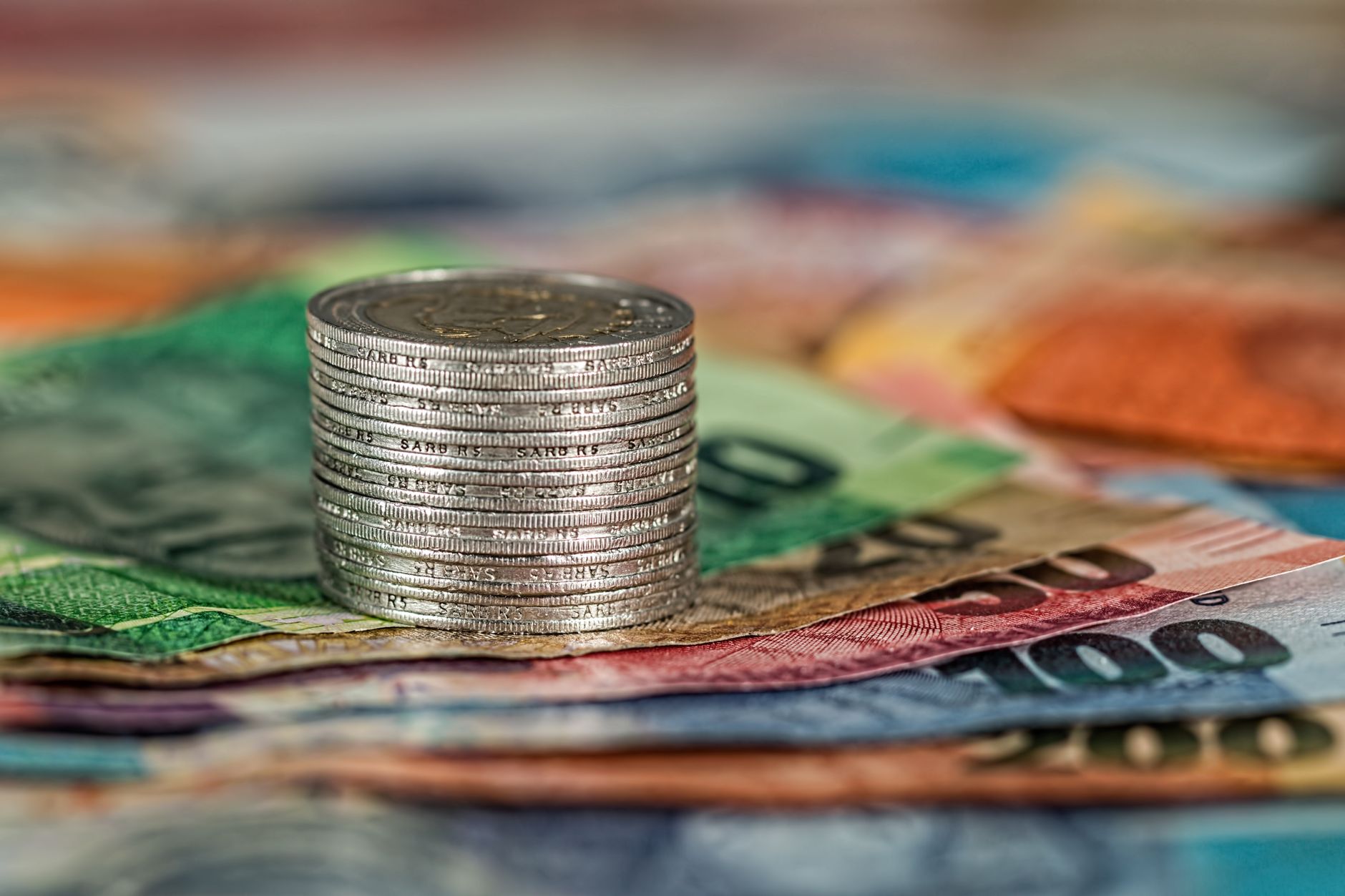
High-value savings account options can be overwhelming. It’s essential to look beyond just the headline interest rate to find the best account for your financial needs.
Understanding Savings Accounts
When considering a high-value savings account, it’s essential to understand the various factors that influence your choice. While the interest rate is an important aspect, it shouldn’t be the sole consideration. A comprehensive evaluation includes several key elements:
- Fees: Some accounts come with monthly maintenance fees, which can erode your interest earnings. Look for accounts that offer low or no fees.
- Minimum Balance Requirements: Many high-yield accounts require a minimum balance to earn the advertised interest rate. Ensure you can comfortably meet these requirements.
- Access to Funds: Consider how easily you can access your money. Some accounts may limit withdrawals or transfers, impacting your liquidity.
- Interest Compounding: The frequency of interest compounding can significantly affect your savings growth. Daily compounding typically yields better returns than monthly or quarterly.
- Customer Service: Reliable support can be critical if you encounter issues. Research the bank’s customer service reputation before making a decision.
In summary, a high-value savings account offers more than just an attractive interest rate; it requires a thorough assessment of fees, accessibility, and service quality.
How Interest Rates Work
When considering a high-value savings account, understanding how interest rates work is crucial. Interest rates are the percentage of your savings that banks pay you for keeping your money with them. However, not all interest rates are created equal.
Many banks advertise enticing headline rates, but it is essential to look beyond these figures. Here are several factors to consider:
- APY vs. Interest Rate: The Annual Percentage Yield (APY) reflects the total amount of interest you will earn in a year, factoring in compounding. Always compare APY rather than just the nominal interest rate.
- Compounding Frequency: The frequency at which interest is compounded can significantly impact your earnings. Daily compounding yields more than monthly compounding.
- Minimum Balance Requirements: Some high-value savings accounts require a minimum balance to earn the advertised interest rate. Be aware of these requirements to avoid lower returns.
- Fees: Ensure you understand any fees associated with the account, as these can erode your interest gains.
By carefully evaluating these elements, you can make informed decisions about which high-value savings account is best for your financial needs.
Evaluating Account Fees
When selecting a high-value savings account, it’s crucial to evaluate the associated fees that may impact your overall returns. While a competitive interest rate may catch your eye, hidden fees can quickly diminish your earnings.
Here are some common fees to watch for:
- Monthly Maintenance Fees: Some accounts charge a monthly fee that can reduce your savings. Look for accounts that waive these fees based on certain requirements, such as maintaining a minimum balance.
- Withdrawal Fees: Be aware of any charges that apply when you make withdrawals beyond a specified limit. Frequent withdrawals could lead to unexpected costs.
- ATM Fees: Check if the bank charges fees for using ATMs outside its network. This can add up if you often need to access your funds.
- Account Closure Fees: Some institutions impose fees if you close your account within a certain timeframe after opening it.
By understanding these fees, you can make an informed decision and choose a high-value savings account that maximizes your savings potential.
The Importance of FDIC Insurance
When considering a high-value savings account, one crucial aspect to keep in mind is the importance of FDIC insurance. The Federal Deposit Insurance Corporation (FDIC) provides a safety net for your deposits, covering accounts up to $250,000 per depositor, per bank. This insurance ensures that even in the event of a bank failure, your money remains secure.
Choosing a savings account with FDIC insurance is essential for peace of mind. Here are some key points to consider:
- Protection from Bank Failures: FDIC insurance safeguards your funds, allowing you to focus on saving rather than worrying about potential losses.
- Credibility of Financial Institutions: Banks that are FDIC members are held to strict regulatory standards, providing an extra layer of assurance.
- Enhancing Financial Literacy: Understanding the role of FDIC insurance can empower you to make informed decisions about where to place your savings.
Ultimately, when selecting a high-value savings account, ensure that it is backed by FDIC insurance for a secure and reliable banking experience.
Comparing Online vs. Traditional Banks
When considering a high-value savings account, it’s essential to compare the offerings of online banks versus traditional banks. Each type has its unique advantages and drawbacks that can significantly impact your savings strategy.
Online Banks: Many online banks often provide higher interest rates due to lower overhead costs. Here are some key points to consider:
- Higher Interest Rates: Online banks frequently offer rates that outpace traditional banks.
- Lower Fees: These banks often have fewer or no monthly maintenance fees.
- Accessibility: Online banking allows for easy access to your account via mobile apps and websites.
Traditional Banks: While traditional banks may not offer the same high interest rates, they provide specific benefits:
- In-Person Services: Physical branches allow for face-to-face assistance and support.
- Established Reputation: Many people feel more secure with well-known financial institutions.
- Additional Services: Traditional banks often provide a wider range of financial products beyond savings accounts.
Ultimately, the choice between online and traditional banks for a high-value savings account depends on your personal preferences and financial goals.
Tips for Choosing the Best Account
When selecting a high-value savings account, it’s crucial to consider several factors beyond just the interest rate. Here are some tips to help you make an informed decision:
- Assess Your Needs: Determine how often you plan to access your funds. If you expect to make frequent withdrawals, choose an account that offers easy access without penalties.
- Evaluate Fees: Look for accounts with minimal fees. Some banks may charge monthly maintenance fees that could eat into your interest earnings.
- Check for Compounding Frequency: Interest can compound daily, monthly, or quarterly. Accounts that compound interest more frequently can yield higher returns over time.
- Review Account Features: Consider additional features such as online banking, mobile access, and customer service. These can enhance your overall banking experience.
- Read the Fine Print: Make sure to understand the terms and conditions, including any potential limitations or requirements that could affect your account.
By considering these factors, you can better navigate the options available and select the best high-value savings account for your financial goals.
Common Mistakes to Avoid
When considering a high-value savings account, it’s essential to avoid common pitfalls that could hinder your financial growth. Here are some mistakes to watch out for:
- Focusing Solely on Interest Rates: While a competitive interest rate is important, it shouldn’t be the only factor. Look for accounts that offer additional benefits, such as low fees or bonus features.
- Ignoring Account Fees: Some accounts may have high maintenance fees that can erode your savings. Always read the fine print to understand what fees may apply.
- Neglecting Account Access: Consider how you plan to access your funds. Some high-value savings accounts may have withdrawal limits or may not provide easy access through ATMs.
- Overlooking Customer Service: A high-value savings account is only beneficial if the bank provides reliable customer support. Research reviews and ratings to gauge their service quality.
- Failing to Review Account Performance: Regularly assess how your savings account is performing. If interest rates drop or fees increase, it may be time to switch accounts.
Photo by Pixabay on Pexels
Read the original
You might also like
IPO Application Status: What’s the Best Way to Check? · How to Understand Navigation Tools and User Features on Pussy888 · How to Make an Informed Decision Before Applying for an Orlando Auto Title Loan
High-value savings account options can be tricky. Discover the best choices beyond just interest rates.