

Tokyo bourse delistings: Worst trend with proven impact

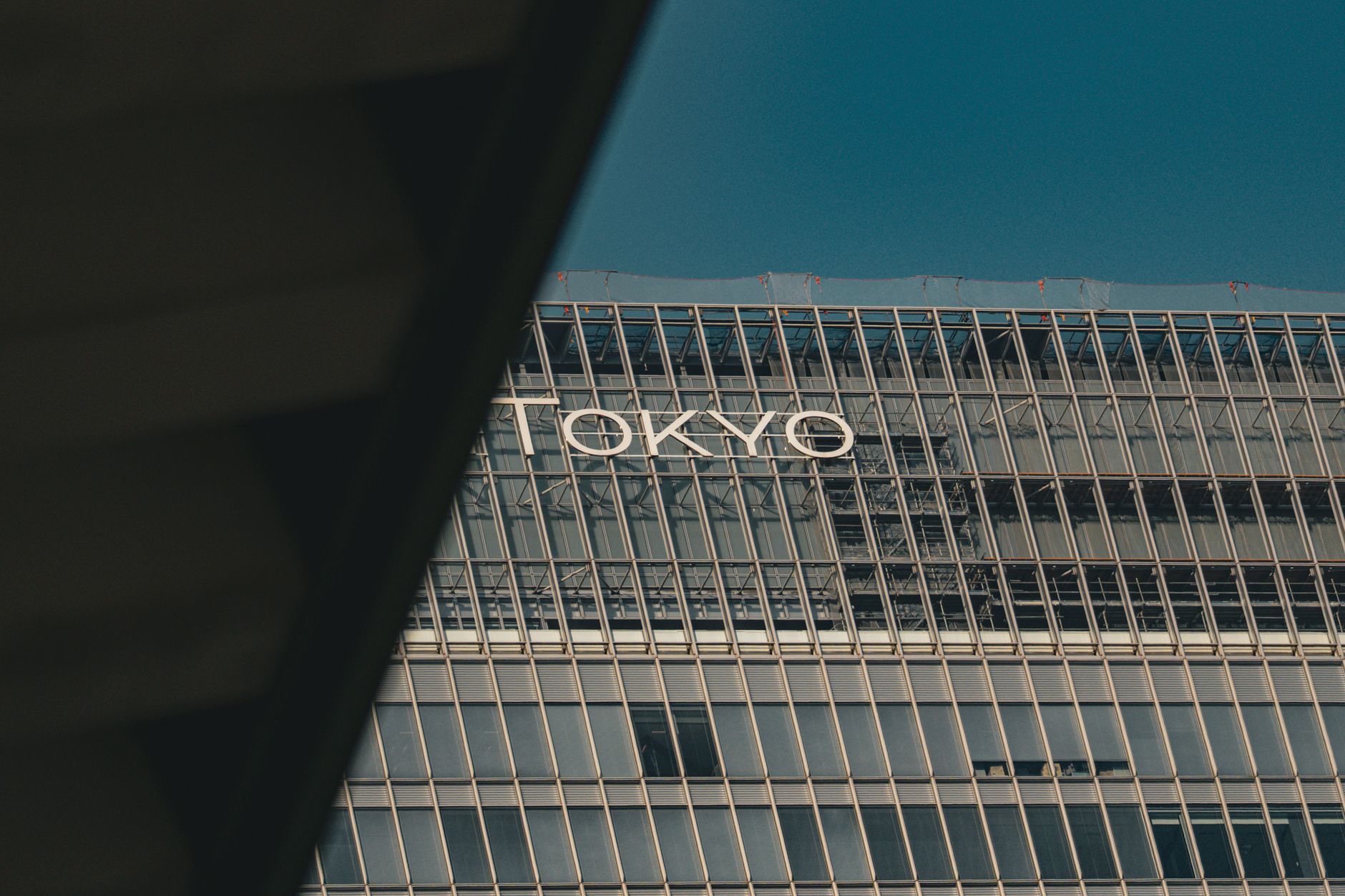
Tokyo bourse delistings are on track to reach a record high for the third straight year, raising concerns among investors and analysts alike.
Understanding the Tokyo Bourse
The Tokyo bourse, officially known as the Tokyo Stock Exchange (TSE), is one of the largest and most influential stock markets in the world. It plays a crucial role in the global financial landscape, serving as a primary venue for Japanese companies to raise capital and for investors to trade shares. However, recent trends indicate a troubling pattern of delistings, with the number of companies exiting the exchange expected to reach a record high for the third consecutive year.
This alarming trend raises concerns about the overall health of the market and the confidence of investors. The increasing rate of delistings can be attributed to several factors, including:
- Economic challenges: Companies facing financial difficulties may choose to delist to avoid regulatory burdens and costs.
- Merger and acquisition activities: Businesses may delist as part of broader strategic moves, merging with or being acquired by larger entities.
- Market conditions: A lack of investor interest can lead to a decline in share prices, prompting companies to exit the bourse.
The implications of these delistings are significant, impacting investor sentiment and potentially reshaping the market dynamics in Japan.
Factors Behind Increased Delistings
The surge in delistings from the Tokyo bourse has raised concerns among investors and analysts alike. Several factors contribute to this troubling trend, which has proven impact on market stability and investor confidence.
- Regulatory Changes: Recent adjustments in compliance regulations have made it increasingly difficult for companies to maintain their listings. Firms that fail to meet these new standards face potential delisting.
- Financial Performance: Many companies are struggling financially, leading to poor stock performances. This has prompted some firms to voluntarily delist to restructure or seek better opportunities elsewhere.
- Market Sentiment: A declining market sentiment, fueled by global economic uncertainties, has affected investor appetite. Companies may choose to delist rather than remain under pressure from waning stock prices.
- Strategic Shifts: Some businesses are opting for mergers or acquisitions, resulting in delistings as they transition into new corporate structures.
As the trend of Tokyo bourse delistings continues, stakeholders must pay attention to these underlying factors to better navigate the changing landscape of the Japanese financial market.
Impact on Investors and Market
The trend of Tokyo bourse delistings is causing significant concern among investors and market analysts. As the number of companies leaving the exchange reaches a record high for the third consecutive year, the ramifications are becoming increasingly apparent.
Investors are feeling the strain as their portfolios are affected by the reduced number of available stocks. Many are left grappling with uncertainty, questioning the stability of their investments in the Japanese market. The delistings can lead to:
- Decreased liquidity: With fewer companies listed, trading volumes may decline, making it harder for investors to buy or sell shares without impacting prices.
- Loss of confidence: Persistent delistings may signal underlying issues within the market, causing investors to reconsider their strategies and potentially withdraw from Japanese equities altogether.
- Impact on indices: As companies are delisted, key market indices may face adjustments, which can further influence investor sentiment and market performance.
Moreover, the long-term implications of these delistings may hinder the Tokyo bourse’s ability to attract new investments, ultimately impacting economic growth in the region.
Historical Trends of Delistings
The trend of delistings on the Tokyo bourse has evolved significantly over the years, reflecting broader economic shifts and regulatory changes. Historically, the number of companies choosing to delist has fluctuated, but recent years have shown a stark increase. In fact, the Tokyo bourse delistings are expected to reach a record high for the third consecutive year, raising concerns among investors and analysts alike.
Several factors contribute to this ongoing trend:
- Market Conditions: Economic uncertainties and volatile market conditions have prompted companies to reassess their positions on the exchange.
- Regulatory Changes: New regulations may impose stricter compliance requirements, leading some firms to opt for delisting as a cost-saving measure.
- Strategic Decisions: Companies may choose to delist to focus on private funding or mergers and acquisitions, prioritizing operational flexibility over public trading.
This historical trend highlights the dynamic nature of financial markets and underscores the potential long-term impact on investor confidence and market stability. As the Tokyo bourse delistings continue to rise, stakeholders must remain vigilant in assessing the implications for the overall economy.
Future Outlook for Tokyo Bourse
The ongoing trend of Tokyo bourse delistings raises significant concerns for the future of the Japanese financial market. As companies continue to exit the exchange, analysts predict a challenging landscape ahead for investors and stakeholders alike. The increasing rate of delistings could lead to a decreased number of available investment opportunities, thereby impacting market liquidity.
Several factors may contribute to the future trajectory of the Tokyo bourse, including:
- Regulatory Changes: Potential adjustments in market regulations could either alleviate or exacerbate the situation.
- Global Economic Conditions: Economic fluctuations worldwide may impact Japanese companies’ performance and their decisions to remain listed.
- Investor Sentiment: A declining interest in the Tokyo bourse could lead to further exits, creating a vicious cycle.
- Mergers and Acquisitions: Increased M&A activity might lead to more companies leaving the exchange as they seek private ownership.
As stakeholders navigate these uncertainties, the need for effective strategies to counteract the negative impact of delistings becomes increasingly crucial. A collaborative approach involving regulators, investors, and companies may help stabilize the market in the face of ongoing challenges.
The recent surge in Tokyo bourse delistings has raised concerns among investors and analysts alike. As Tokyo bourse delistings continue to impact market stability, stakeholders are urging for reforms to address the underlying issues.
Photo by Toki No Ori on Pexels
References
Related stories
High-Value Savings Account: What’s the Right Choice for You? · IPO Application Status: What’s the Best Way to Check? · How to Understand Navigation Tools and User Features on Pussy888
Tokyo bourse delistings are set to hit a record high for the third consecutive year, signaling a troubling trend in the market.