

Oil tanker rates drop but remain high: A clear outlook

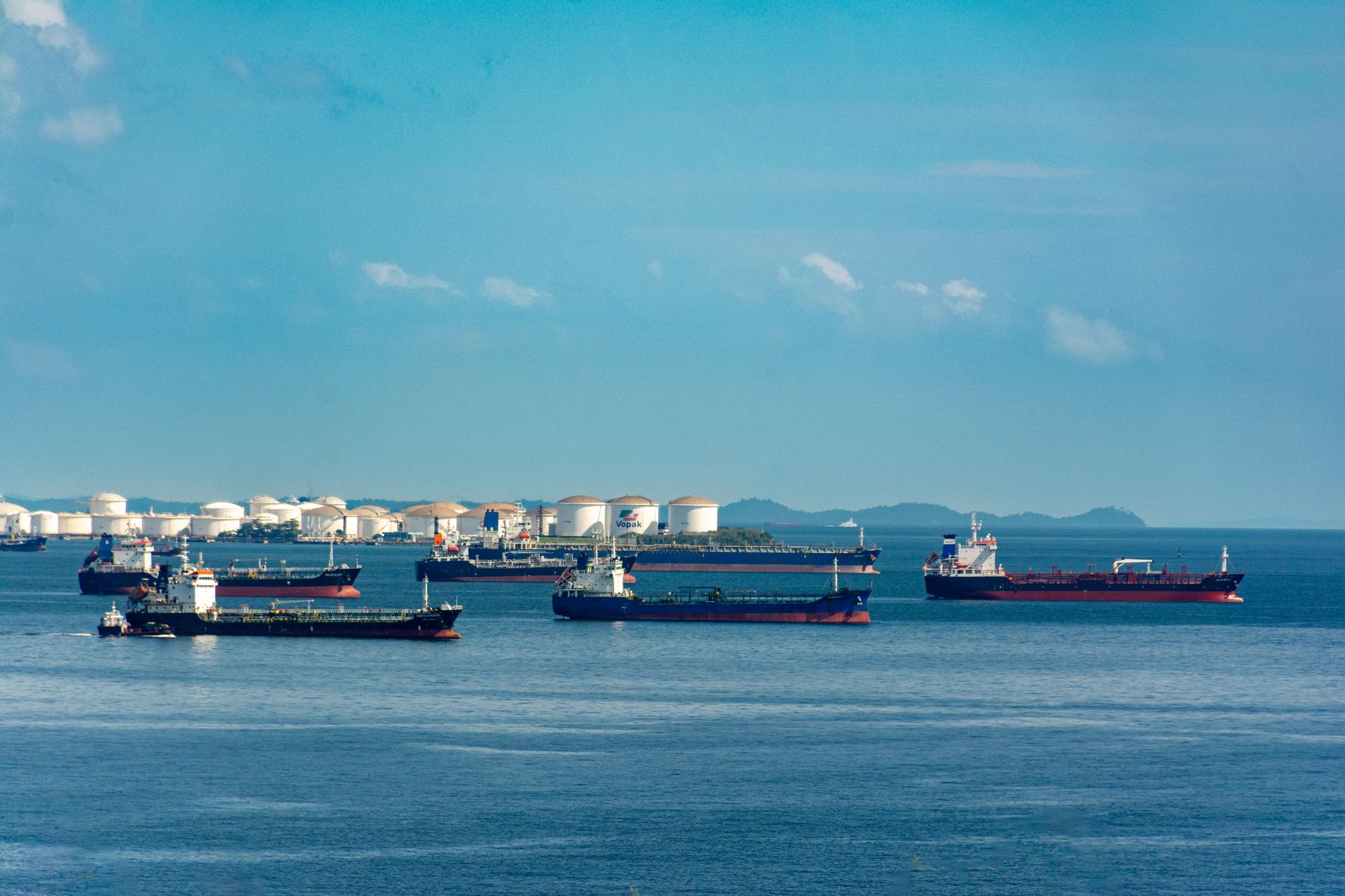
oil tanker rates have dropped but remain high, impacting the overall sentiment in the crude oil market. This fluctuation raises questions about future pricing and demand.
Current Trends in Oil Tanker Rates
In recent weeks, oil tanker rates have experienced a notable decline, yet they continue to remain elevated compared to historical standards. This decline can be attributed to a variety of factors influencing the global shipping industry.
Several key trends have emerged in the oil tanker market:
- Increased Supply: A rise in available tonnage has slightly eased the pressure on shipping costs, leading to the recent drop in rates.
- Seasonal Demand Fluctuations: As we transition into the winter months, typical seasonal adjustments in oil consumption can affect tanker demand.
- Geopolitical Factors: Ongoing geopolitical tensions continue to impact shipping routes and fuel pricing, keeping a level of uncertainty in the market.
Despite the recent drop, the overall sentiment in the crude oil market remains cautiously optimistic, as high oil tanker rates are still indicative of strong underlying demand fundamentals. Investors and analysts will be closely monitoring these developments in the weeks ahead.
Impact of High Tanker Rates on Crude Oil
The fluctuation in oil tanker rates has a significant impact on the broader crude oil market. Despite a recent decline in rates, they remain elevated, influencing trading strategies and market sentiment.
High tanker rates can lead to:
- Increased shipping costs: When oil companies face higher transport expenses, they may pass these costs onto consumers, affecting fuel prices.
- Supply chain adjustments: Traders may alter their logistics to mitigate costs, potentially leading to delays and bottlenecks in the supply chain.
- Market volatility: Elevated rates can create uncertainty, causing fluctuations in crude oil prices as traders react to shifting shipping costs.
- Investment hesitancy: High tanker rates may deter new investments in oil projects, as companies weigh the risks associated with increased operational costs.
As the industry navigates these challenges, understanding the implications of oil tanker rates becomes crucial for stakeholders in the energy sector.
Future Projections for the Shipping Industry
As the shipping industry navigates the complex waters of fluctuating oil tanker rates, future projections indicate a mix of optimism and caution. Analysts predict that while current rates have seen a decline, they are likely to remain elevated due to ongoing geopolitical tensions and supply chain disruptions.
Several factors will play a crucial role in shaping these projections:
- Global Demand: The demand for crude oil is expected to rise as economies recover post-pandemic, potentially putting upward pressure on oil tanker rates.
- Fleet Dynamics: The age and availability of the existing tanker fleet could impact shipping capacity, influencing overall rates.
- Regulatory Changes: Stricter environmental regulations may lead to increased operational costs for tankers, further affecting pricing.
- Technological Advances: Innovations in shipping technology may help improve efficiency, which could stabilize rates in the long run.
In summary, while oil tanker rates are currently declining, various factors suggest they will remain high, shaping the future of the shipping industry.
Factors Influencing Oil Market Sentiment
The fluctuations in oil tanker rates are influenced by a range of factors that contribute to the overall sentiment in the oil market. Key elements include:
- Supply and Demand Dynamics: The balance between oil supply and demand plays a crucial role, with any disruptions potentially leading to rate adjustments.
- Geopolitical Tensions: Events in oil-producing regions can create uncertainty, driving rates higher due to perceived risks in transportation.
- Seasonal Variations: Demand often spikes during certain seasons, impacting tanker availability and, consequently, rates.
- Economic Indicators: Global economic health influences oil consumption, with stronger economies typically leading to increased demand for oil shipments.
While oil tanker rates have recently dropped, they remain elevated compared to historical averages, indicating a complex interplay of these factors that shapes market sentiment.
Comparative Analysis of Oil Shipping Costs
In recent months, oil tanker rates have experienced fluctuations, presenting a complex landscape for the shipping industry. Although there has been a noticeable drop in these rates, they remain high compared to historical averages. This situation has prompted a comparative analysis of oil shipping costs across different regions and types of vessels.
Key observations include:
- Regional Disparities: Rates vary significantly by region, with some areas experiencing steeper declines than others.
- Vessel Types: Spot market rates are higher for larger tankers, reflecting persistent demand despite overall reductions.
- Seasonal Trends: Seasonal factors, such as increased summer demand, continue to influence tanker rates.
As oil tanker rates continue to oscillate, stakeholders are closely monitoring these trends to gauge potential impacts on the overall oil market. The persistence of high rates, coupled with recent declines, indicates a nuanced outlook for the industry moving forward.
Photo by Zifeng Xiong on Pexels
References
Related reading
- PSU Banks stocks: Proven Gains Lead Sensex and Nifty Higher
- Oil share to buy: Best proven stock amid crude volatility
- Muhurat Trading 2026: Worst Sensex and Nifty Performance Yet
Oil tanker rates are dropping but still remain high, affecting market sentiment in the crude oil sector.