

UK flood insurance reform: Clear steps for improvement

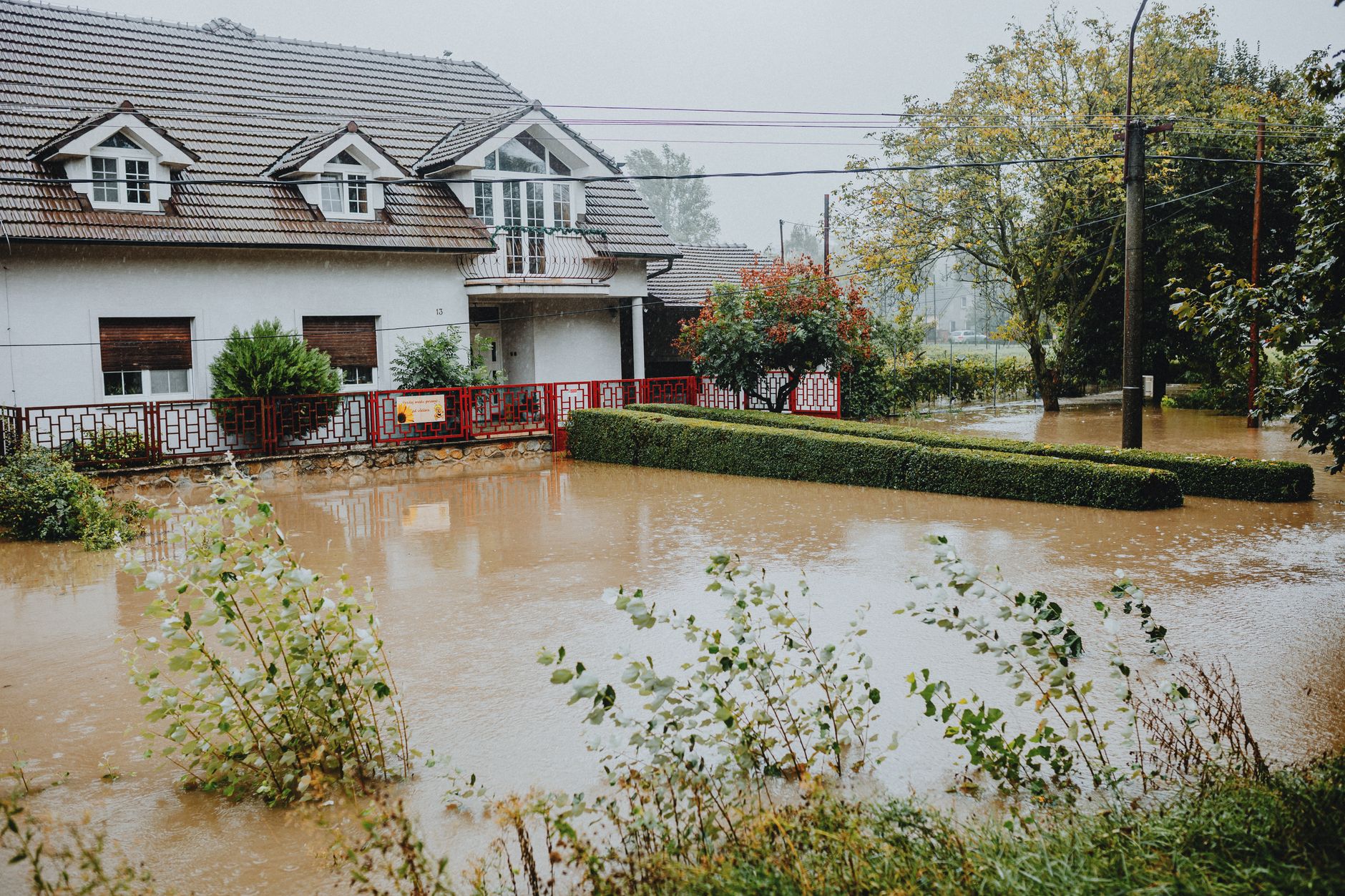
UK flood insurance reform is becoming increasingly urgent as the uninsurability gap widens, prompting calls for significant changes in policy to better protect vulnerable areas.
Understanding the Uninsurability Gap
The issue of uninsurability in the UK has become increasingly urgent, especially in light of recent climate events. Many homeowners in flood-prone areas find themselves unable to secure affordable insurance, leading to a growing uninsurability gap. This gap not only affects individual households but also poses a significant challenge to the broader insurance market.
Experts highlight several factors contributing to this crisis:
- Climate Change: Increasing rainfall and rising sea levels have intensified the frequency and severity of floods, making risk assessment more complicated.
- Lack of Data: Insufficient historical data on flooding events complicates insurers’ ability to calculate risks accurately.
- Policy Limitations: Existing flood insurance policies often do not cover all aspects of flood damage, leaving many vulnerable.
- Cost Concerns: Insurance premiums for flood-prone areas can be prohibitively high, further exacerbating the issue.
As the conversation surrounding UK flood insurance reform heats up, stakeholders are calling for a comprehensive review of policies to ensure that residents in high-risk areas can obtain necessary coverage without facing financial ruin. Addressing the uninsurability gap is crucial for fostering a resilient housing market and protecting communities from future disasters.
Current State of UK Flood Insurance
The current state of UK flood insurance is characterized by a significant divide between those who can obtain coverage and those who cannot. This issue, often referred to as the uninsurability gap, has been exacerbated by increasing climate change-related flooding events. Many homeowners in high-risk areas struggle to secure affordable insurance, leaving them vulnerable to financial devastation in the event of a flood.
According to recent reports, insurance premiums are on the rise, making it increasingly difficult for households to protect their properties. In numerous cases, insurers are withdrawing from certain markets altogether, leading to a lack of available options for consumers. This trend not only threatens the livelihood of homeowners but also poses a risk to the broader economy, as properties without insurance can lead to significant losses for local businesses and communities.
Moreover, the existing flood insurance framework has been criticized for its inefficiency and lack of support for those affected by flooding. Many argue that the time has come for comprehensive UK flood insurance reform that addresses these pressing issues. Stakeholders, including government officials and environmental organizations, are now calling for a collaborative approach to develop solutions that ensure affordable coverage for all.
In conclusion, the current landscape of flood insurance in the UK highlights the urgent need for reforms that can bridge the uninsurability gap and protect vulnerable communities.
Impact of Climate Change on Insurance
The impact of climate change on insurance markets is becoming increasingly evident, particularly in regions susceptible to flooding. In the UK, rising sea levels and more intense rainfall are contributing to a higher frequency of flood events, which in turn is straining the existing flood insurance framework. UK flood insurance reform is needed to address the challenges posed by these environmental changes.
Insurers are grappling with the unpredictable nature of climate-related risks, leading to a growing ‘uninsurability gap.’ This gap occurs when the risk of flooding becomes so high that insurers either refuse to offer coverage or impose exorbitant premiums. Many homeowners in flood-prone areas are left to navigate this uncertainty without adequate protection for their properties.
As climate change continues to intensify, the importance of reforming flood insurance policies in the UK cannot be overstated. A comprehensive approach is required, which includes:
- Incorporating climate risk assessments into insurance models
- Developing government-backed schemes to make coverage more accessible
- Encouraging investment in flood prevention infrastructure
By taking these steps, the UK can better prepare for the realities of climate change and ensure that flood insurance remains viable for all homeowners.
Calls for Policy Reform
As the impacts of climate change become increasingly evident, there is a growing consensus among experts and policymakers that significant reform is needed in the UK flood insurance sector. The current system has been criticized for its inability to adequately address the rising risks posed by flooding, leaving many homeowners vulnerable.
Recent discussions have highlighted several key areas that require urgent attention to improve flood insurance accessibility and affordability. Stakeholders emphasize the need for:
- Enhanced Risk Mapping: Developing more accurate and updated flood risk maps to help insurers assess potential liabilities more effectively.
- Government Support: Implementing policies that provide financial backing for insurers, allowing them to offer more comprehensive coverage to high-risk properties.
- Public Awareness Campaigns: Educating homeowners about flood risks and the importance of obtaining insurance, as well as available options.
- Incentives for Resilience: Encouraging property owners to invest in floodproofing measures through financial incentives, which could lower insurance premiums.
The push for UK flood insurance reform is not just about protecting homeowners; it is also about safeguarding communities and ensuring economic stability in the face of increasing climate threats. With the right measures in place, the uninsurability gap could be bridged, making flood insurance more accessible for all.
Benefits of Reforming Flood Insurance
Reforming flood insurance in the UK can yield significant benefits for homeowners, businesses, and local economies alike. The ongoing challenges related to flood risk have underscored the need for effective reform, which can address the growing uninsurability gap that many face.
One of the primary advantages of implementing reforms is increased accessibility to affordable flood insurance. By modernizing policies and pricing strategies, insurers can offer more competitive rates, making it feasible for a larger segment of the population to obtain coverage. This can lead to enhanced financial stability for households and businesses in flood-prone areas.
Furthermore, a well-structured flood insurance system can encourage better risk management practices. With clearer guidelines and incentives, property owners may be more likely to invest in protective measures such as flood defenses and better drainage systems, ultimately mitigating flood damage.
Additionally, reforming flood insurance can stimulate economic growth. By ensuring that property owners have access to reliable coverage, communities can recover more quickly from flood events, maintaining local businesses and jobs. In turn, this can lead to increased confidence among investors and homeowners.
In conclusion, the benefits of reforming flood insurance in the UK are multifaceted, promoting resilience to climate change and safeguarding the livelihoods of many.
Future of Flood Insurance in the UK
The future of flood insurance in the UK will depend heavily on proactive reforms that address the evolving challenges posed by climate change and increasing flood risks. As the discussions around UK flood insurance reform intensify, stakeholders must collaborate to create a more resilient insurance landscape.
Several key areas need attention:
- Risk Assessment Improvements: Insurance providers should adopt advanced technologies and data analytics to enhance their understanding of flood risks. This could lead to more accurate pricing and better coverage options.
- Government Support: A stronger partnership between the government and the insurance sector can facilitate the development of innovative flood insurance products that cater to high-risk areas. Public-private partnerships can help manage financial burdens and reduce the uninsurability gap.
- Public Awareness Campaigns: Educating homeowners about flood risks and insurance options will empower them to make informed decisions. Increased awareness can lead to higher participation in insurance schemes.
- Adaptation Strategies: Policies should encourage homeowners to invest in flood resilience measures, such as property modifications and community-level flood defenses. This proactive approach can lessen the impact of future floods.
As climate-related challenges grow, embracing these reforms will be essential for ensuring that flood insurance remains accessible and effective for all UK residents.
To achieve meaningful progress, stakeholders must collaborate on the UK flood insurance reform to ensure that policies are accessible and affordable for all homeowners. Additionally, the UK flood insurance reform should prioritize transparency and efficiency in claims processing to build trust within the community.
Photo by Helena Jankovičová Kováčová on Pexels
Read the original
Related stories
- Sensex Nifty Trade Higher: Proven Strategies for Investors
- Sensex Stock Market Updates: Quick Insights on Today’s Gains
- Bitcoin price breakout: Is it the best time to invest?
UK flood insurance reform is essential to address the growing uninsurability gap and protect communities from future risks.